
Healthy Skin Starts with Primary Care | Allen Internal Medicine
Skin problems are common and can affect people of all ages. From acne and eczema to skin rashes, fungal infections, and unexplained itching, these conditions can cause discomfort, affect confidence, and sometimes indicate an underlying health issue.
The good news is that many common skin conditions can be diagnosed, treated, and managed by a primary care provider. At Allen Internal Medicine (AIM), our providers evaluate a wide range of skin concerns, recommend appropriate treatments, and help patients maintain healthier skin. When a condition requires specialized evaluation or advanced treatment, we refer patients to a dermatologist.
If you are searching for a primary care provider in Allen, Texas, who can help with common skin conditions, Allen Internal Medicine is here to help.
1. Acne
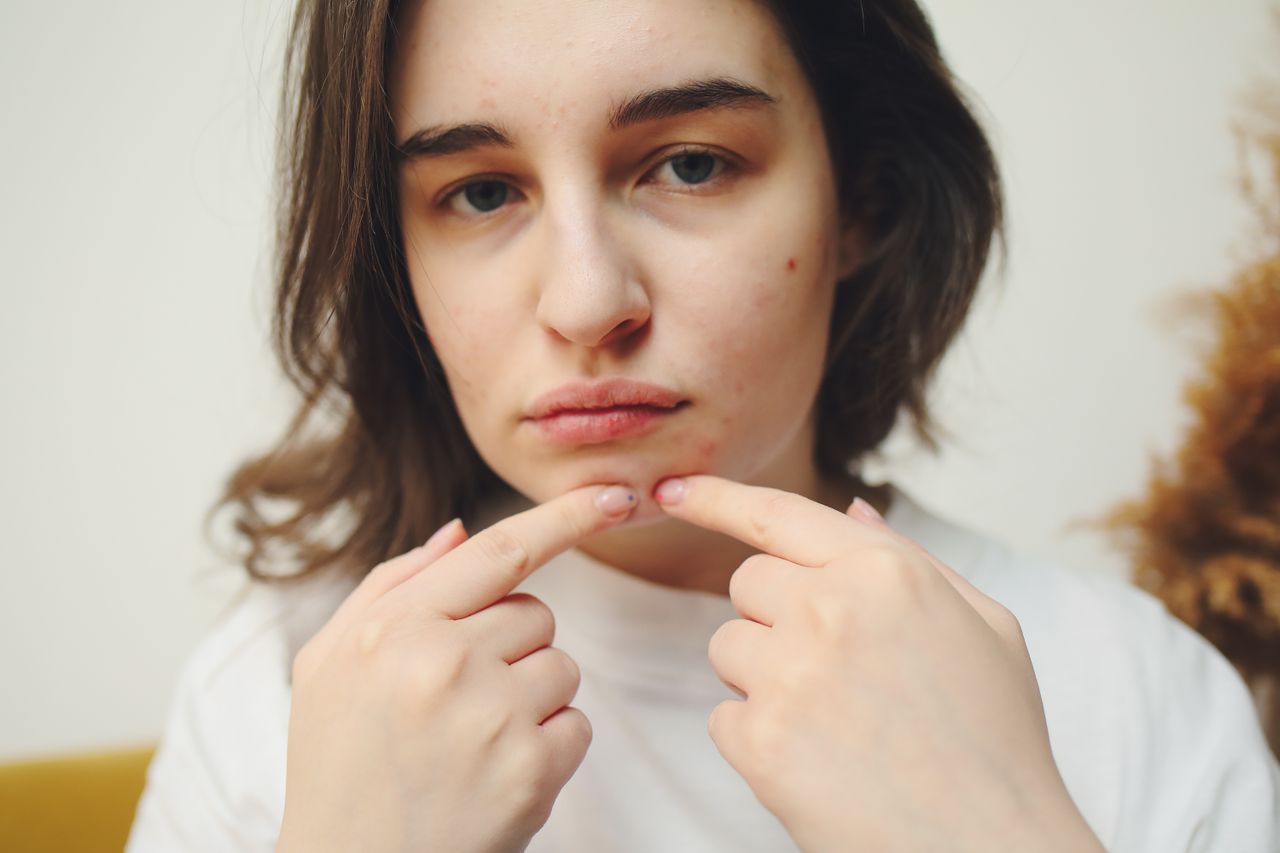
Acne is one of the most common skin conditions, affecting teenagers and adults alike. It develops when hair follicles become clogged with oil and dead skin cells, leading to blackheads, whiteheads, pimples, and sometimes painful cysts.
Common symptoms:
-
Whiteheads and blackheads
-
Red or inflamed pimples
-
Deep, painful bumps
-
Acne scars or dark spots left behind
Treatment options:
Treatment depends on the severity of the acne and may include topical benzoyl peroxide, salicylic acid, topical retinoids, or prescription medications. In selected cases, oral antibiotics or hormonal treatment may be appropriate. Early treatment can help prevent scarring.
At AIM, our providers can evaluate acne, recommend an appropriate treatment plan, and refer patients to a dermatologist when acne is severe, persistent, or causing significant scarring.
2. Eczema (Atopic Dermatitis)
Eczema is a chronic inflammatory skin condition that causes dry, itchy, irritated skin. It can affect children and adults and may flare up in response to soaps, fragrances, weather changes, stress, or other triggers.
Common symptoms:
-
Dry, rough, or scaly skin
-
Redness and inflammation
-
Persistent itching
-
Cracked or irritated skin
Treatment options:
Treatment often includes fragrance-free moisturizers, gentle skin cleansers, avoiding known triggers, and prescription topical corticosteroids or other anti-inflammatory medications when indicated. Keeping the skin moisturized and identifying triggers can help reduce flare-ups.
Our primary care providers can help diagnose and manage eczema, review potential triggers, and recommend treatment to relieve itching and inflammation.
3. Contact Dermatitis and Skin Allergies
Contact dermatitis occurs when the skin reacts to an irritating substance or an allergen. Common triggers include detergents, soaps, cosmetics, fragrances, metals such as nickel, and certain plants.
Common symptoms:
-
Redness and itching
-
Rash or small blisters
-
Dry, cracked skin
-
Burning or swelling in the affected area
Treatment options:
Treatment may involve avoiding the triggering substance, using gentle skin-care products, applying moisturizers, and using topical corticosteroids when appropriate. Persistent or recurrent cases may require further evaluation, including allergy testing through a specialist.
AIM providers can evaluate many skin rashes, help identify possible causes, and recommend appropriate treatment.
4. Fungal Skin Infections
Fungal infections are common and can affect the feet, groin, body, and skin folds. Examples include athlete’s foot, ringworm, and jock itch.
Common symptoms:
-
Itchy, scaly patches
-
Ring-shaped rashes with a more prominent border
-
Peeling or cracking between the toes
-
Redness and irritation in moist skin folds
Treatment options:
Many superficial fungal infections respond to topical antifungal medications such as clotrimazole or terbinafine. Keeping the affected area clean and dry can also help. Some infections require oral medication, particularly when extensive or involving certain areas such as the scalp or nails.
Because fungal infections can resemble eczema or other skin conditions, proper diagnosis is important. Our providers can evaluate suspected fungal infections and recommend appropriate treatment.
5. Rosacea
Rosacea is a chronic skin condition that commonly affects the face. It may cause persistent redness, visible blood vessels, and acne-like bumps. Symptoms can flare with sun exposure, heat, spicy foods, alcohol, or other individual triggers.
Common symptoms:
-
Redness across the cheeks, nose, forehead, or chin
-
Small red bumps or pimples
-
Visible blood vessels
-
Burning or stinging sensations
Treatment options:
Management may include gentle skin care, daily sun protection, avoiding personal triggers, and prescription topical or oral medications when indicated.
AIM providers can assess facial redness and acne-like eruptions, discuss treatment options, and refer patients to dermatology when the diagnosis is uncertain or symptoms are difficult to control.
6. Psoriasis
Psoriasis is a chronic inflammatory condition that causes skin cells to build up more rapidly than normal. It often produces thick, raised patches covered with silvery scales.
Common symptoms:
-
Red or inflamed skin patches
-
Thick, scaly plaques
-
Itching or discomfort
-
Changes affecting the scalp, elbows, knees, or nails
Treatment options:
Treatment depends on the extent and severity of the condition. Mild cases may benefit from moisturizers and prescription topical treatments. More extensive disease may require phototherapy or systemic medications managed by a dermatologist or other appropriate specialist.
Our primary care providers can evaluate suspected psoriasis, help manage associated health concerns, and coordinate dermatology care when more specialized treatment is needed.
7. Hives (Urticaria)
Hives are raised, itchy welts that can appear suddenly and may change location or size over time. They can be associated with infections, medications, foods, or other triggers, although a cause is not always identified.
Common symptoms:
-
Raised, itchy welts
-
Redness or swelling
-
Spots that appear and disappear
-
Recurrent episodes of itching
Treatment options:
Non-drowsy antihistamines are commonly used to manage uncomplicated hives. Identifying possible triggers and reviewing medications may also help.
Our providers can evaluate hives, recommend appropriate treatment, and determine whether additional testing or specialist referral is necessary.
Important: If hives occur with difficulty breathing, throat or tongue swelling, faintness, or trouble swallowing, seek emergency medical care immediately.
8. Warts and Skin Tags
Warts are usually caused by human papillomavirus (HPV), while skin tags are small, soft growths that commonly develop in areas of friction, such as the neck, underarms, and groin.
Common concerns:
-
Small, rough growths on the hands or feet
-
Skin-colored or brown growths
-
Skin tags that catch on clothing or jewelry
-
Growths that become irritated or bleed
Treatment options:
Some warts resolve without treatment, while others may respond to salicylic acid or office-based treatments such as cryotherapy when appropriate. Skin tags may not require treatment unless they cause irritation or another concern.
Our providers can assess common benign skin growths and discuss treatment options. Growths that have an unusual appearance or an uncertain diagnosis may require dermatology evaluation.
9. Dandruff and Seborrheic Dermatitis
Dandruff and seborrheic dermatitis can cause flaking and irritation of the scalp and sometimes affect the eyebrows, sides of the nose, and ears.
Common symptoms:
-
White or yellowish flakes
-
Itching and scalp irritation
-
Redness in affected areas
-
Greasy or scaly patches
Treatment options:
Medicated shampoos containing ingredients such as ketoconazole, selenium sulfide, or zinc pyrithione may help. Depending on the affected area and severity, additional topical treatments may be recommended.
AIM providers can evaluate persistent scalp irritation, recommend suitable treatments, and assess whether another skin condition may be responsible.
10. Dry Skin and Generalized Itching
Dry skin is especially common during colder weather, with frequent bathing, and with the use of harsh soaps. Itching can also be associated with eczema, medication reactions, or certain underlying medical conditions.
Common symptoms:
-
Rough or flaky skin
-
Tightness after bathing
-
Itching, redness, or cracking
-
Irritation that worsens with dry weather
Treatment options:
Regular use of fragrance-free moisturizers, shorter warm showers, gentle cleansers, and avoiding irritants can improve many cases. Persistent or widespread itching may require evaluation for medication-related or underlying medical causes.
At Allen Internal Medicine, we consider the overall health of the patient when evaluating ongoing skin concerns, rather than focusing only on the visible symptoms.
When Should You See a Dermatologist?
Many common skin conditions can be managed in primary care. However, a dermatologist may be needed when a condition is severe, persistent, recurrent, difficult to diagnose, or unresponsive to initial treatment.
A dermatology referral may be appropriate for:
-
Severe or scarring acne
-
Extensive or difficult-to-control psoriasis or eczema
-
Persistent rashes with an unclear cause
-
Suspicious or changing moles
-
Skin lesions that bleed, grow, change color, or fail to heal
-
Conditions requiring specialized procedures, advanced medications, or a skin biopsy
A new or changing skin lesion should be evaluated promptly. A primary care provider can assess the concern and arrange appropriate follow-up or referral.
Seek urgent medical attention for rapidly spreading redness accompanied by fever, severe skin pain, significant blistering, or signs of a serious allergic reaction.
Why Choose Allen Internal Medicine for Your Skin Concerns?
At Allen Internal Medicine, we believe that healthy skin is an important part of overall health. Our primary care approach focuses on evaluating symptoms, identifying potential causes, providing appropriate treatment, and coordinating additional care when needed.
When you visit AIM for a skin concern, our providers can:
-
Evaluate common skin conditions: Assess rashes, acne, itching, fungal infections, and other skin problems.
-
Recommend appropriate treatment: Develop a plan based on your symptoms, medical history, and the suspected diagnosis.
-
Manage ongoing conditions: Help monitor chronic skin concerns and adjust treatment when appropriate.
-
Consider your overall health: Review medications and possible underlying medical factors that may contribute to skin symptoms.
-
Coordinate specialist care: Refer you to a dermatologist when specialized evaluation or treatment is needed.
You do not always need to start with a specialist for every skin concern. Your primary care provider can often be a convenient first step in determining what is causing your symptoms and what treatment may help.
Schedule a Primary Care Visit at Allen Internal Medicine
If you are experiencing acne, eczema, a persistent rash, itching, fungal infections, or another common skin concern, our team is here to help.
At Allen Internal Medicine, our providers can diagnose, treat, and manage many common skin conditions and refer you to a dermatologist when necessary.
Your Health, Our AIM: Providing compassionate care and excellent service leading to community-driven growth.
Contact Allen Internal Medicine to schedule an appointment and take the next step toward healthier skin.
Allen Internal Medicine (AIM)
Allen, Texas
Website: https://www.aimallem.com/
Disclaimer: This article is for general educational purposes only and is not a substitute for individualized medical advice, diagnosis, or treatment. Treatment recommendations depend on the patient’s symptoms, medical history, and examination findings.